Investment journey
Africa's Next Billion-Dollar Business Will Be Physical
By Tumusiime Isaac · 1 Nov 2026 · 2 min read
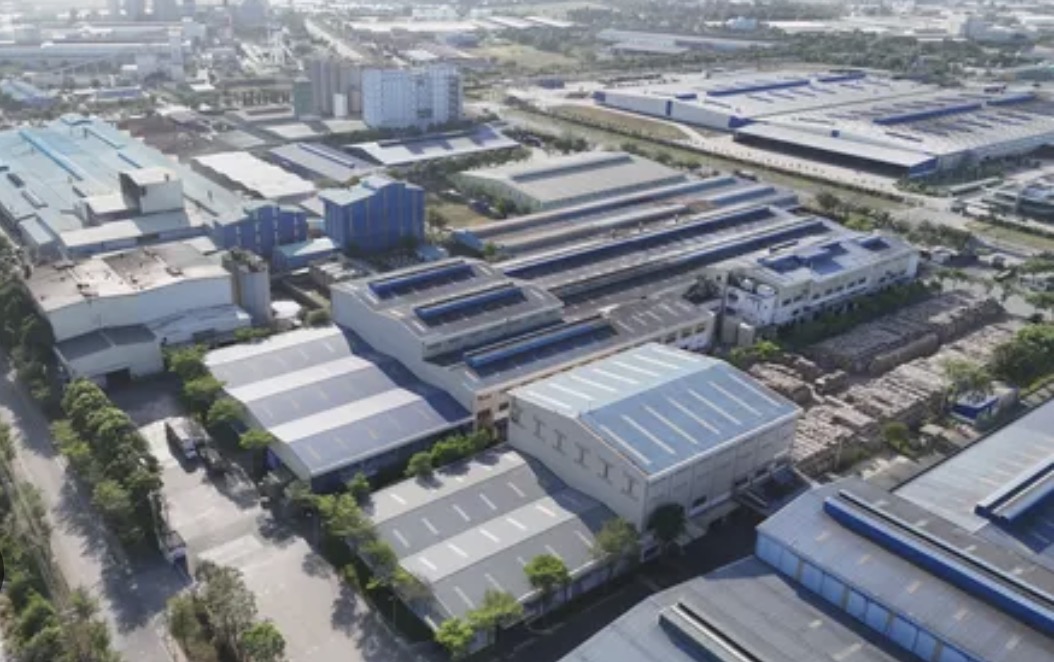
Ask most young founders what they are building, and the answer is often an app, a platform or an agency. Canessa, an Ethiopian-born diaspora investor, thinks many are looking in the wrong place. In her view, Africa's next billion-dollar company will not be an agency or a tech startup. It will solve a physical problem. Follow the basic needs Her list is simple: • Water • Electricity • Healthcare • Food • Logistics • Industrial manufacturing • Affordable housing and construction As Africa's economies and populations grow, demand for these basics is set to explode. Every new family needs clean water, power, a home and food on the table. Every new business needs goods moved and buildings to work from. Why the gap exists Many of these needs are already served by someone. The problem, she argues, is that there is often too little competition, so quality stays low. Companies rarely improve until they feel threatened by a rival. She also argues that competition can grow a market rather than just split it. When more players compete, customers get better options, the product category becomes better known and demand rises for everyone. For a founder, that means a market dominated by one weak supplier is not a closed door. It is an opening. Build the foundation Technology supports an economy, she says, but it is not its foundation. Water systems, power, roads, warehouses, factories and housing are infrastructure: they are what the rest of the economy is built on. Since Africa is still building that foundation, that is where the biggest opportunities lie. Her advice is to build the foundation, and the economy will grow around you. A note for founders The two worlds are not entirely separate. Some of Africa's best-known success stories use technology to solve physical problems, such as pay-as-you-go solar kits that bring electricity to homes off the grid, or digital platforms that make logistics and farm supply chains work better. Physical businesses also tend to need more capital up front, take longer to scale and require patient investors. But they solve problems people cannot live without, and that kind of demand does not disappear. Questions to ask yourself • What basic need in your area is poorly served today? • Is there only one supplier, and are customers unhappy with them? • Could technology make a physical service cheaper, faster or more reliable? • What would it take to fund it, and who are the patient investors in that sector? The apps will keep coming. But the companies that build Africa's foundations may end up being the ones everything else depends on.
Follow these footsteps. See who can help you do the same.
Where to go from here
Where to go next on Pearlbridge.
Join the community to save, like and comment on stories and clips. Join Community